The Allure of Gambling: What Draws Players In?
The captivating world of casino games has fascinated players for centuries. At the core of this allure is the thrilling mix of chance and strategy that keeps individuals returning for more. The unpredictable nature of winning stimulates an emotional high that many find intoxicating. This rush, driven by the dopamine release in the brain, creates a strong desire to continue playing, often despite the odds being stacked against the player. While many are drawn to the excitement of winning, others may explore sports betting california as an alternative way to engage in gaming.
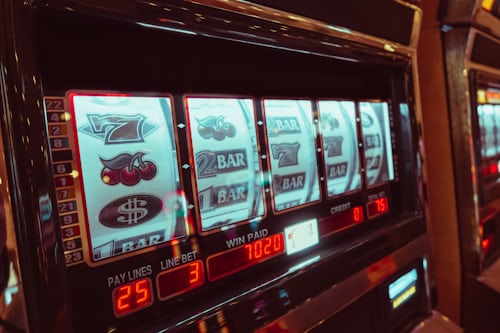
Furthermore, the social environment within casinos enhances this experience. The bright lights, engaging sounds, and the presence of fellow gamblers create an atmosphere of excitement and community. This social interaction can amplify the thrill, making the experience more enjoyable and leading to a sense of belonging among players. Understanding these psychological triggers is essential in grasping why people engage in gambling, often repeatedly.
The Psychology of Risk and Reward
Central to the enjoyment of casino games is the concept of risk versus reward. Players are often drawn to the potential for significant payouts, which can overshadow the risk of loss. This relationship between risk and reward taps into the innate human desire for reward, making high-stakes games particularly appealing. Game developers leverage this psychology by creating mechanics that emphasize these potential rewards, thus encouraging players to take risks.
Additionally, the concept of ‘near misses’ plays a crucial role in player behavior. When individuals come close to winning but ultimately do not succeed, it can trigger a stronger motivation to continue playing in the hopes of achieving that elusive win. This cycle of anticipation and disappointment can lead to extended gaming sessions and, in some cases, problematic gambling behavior.
The Role of Cognitive Biases in Gambling
Cognitive biases have profound effects on player behavior in casinos. One notable example is the gambler’s fallacy, where individuals believe past events influence future outcomes. For instance, a player may think that if a certain number hasn’t appeared in a roulette game, it is ‘due’ to show up, leading them to place bets based on incorrect assumptions. Such biases can lead to irrational decision-making and increased gambling activity.
Moreover, confirmation bias can also impact players. When gamblers seek out information that supports their winning strategies while ignoring losses, they create a distorted perception of their success. This skewed view can reinforce continued play and exacerbate financial losses, illustrating the complexity of the psychological landscape within casinos.
The Impact of Environment on Gambling Behavior
The design and layout of casinos are intentionally crafted to influence player behavior. Elements like sound, lighting, and seating arrangements are strategically implemented to create an immersive experience that encourages prolonged engagement. For example, the sounds of slot machines — chimes and bells signaling wins — create an auditory environment that keeps players entertained and eager to continue playing.
Furthermore, the absence of clocks and windows in many casinos serves to distort players’ perception of time. This tactic can lead to extended gaming sessions, as players lose track of how long they’ve been playing, often resulting in significant financial losses. By understanding how environmental factors manipulate player behavior, casinos can maximize engagement while also posing risks to their clientele.
Your Guide to Responsible Gaming
As intriguing as the psychology behind casino games and player behavior can be, it’s crucial to approach gambling responsibly. Awareness of these psychological factors can help players make informed decisions and promote healthier gaming habits. Our platform is dedicated to providing insights into the best practices for responsible gambling, ensuring that individuals enjoy their experience without compromising their well-being.
By exploring our resources, players can stay informed about their options and understand the importance of setting limits and recognizing the signs of problem gambling. Our commitment is to support players not just in their gaming endeavors, but also in fostering a safe and enjoyable gambling environment.